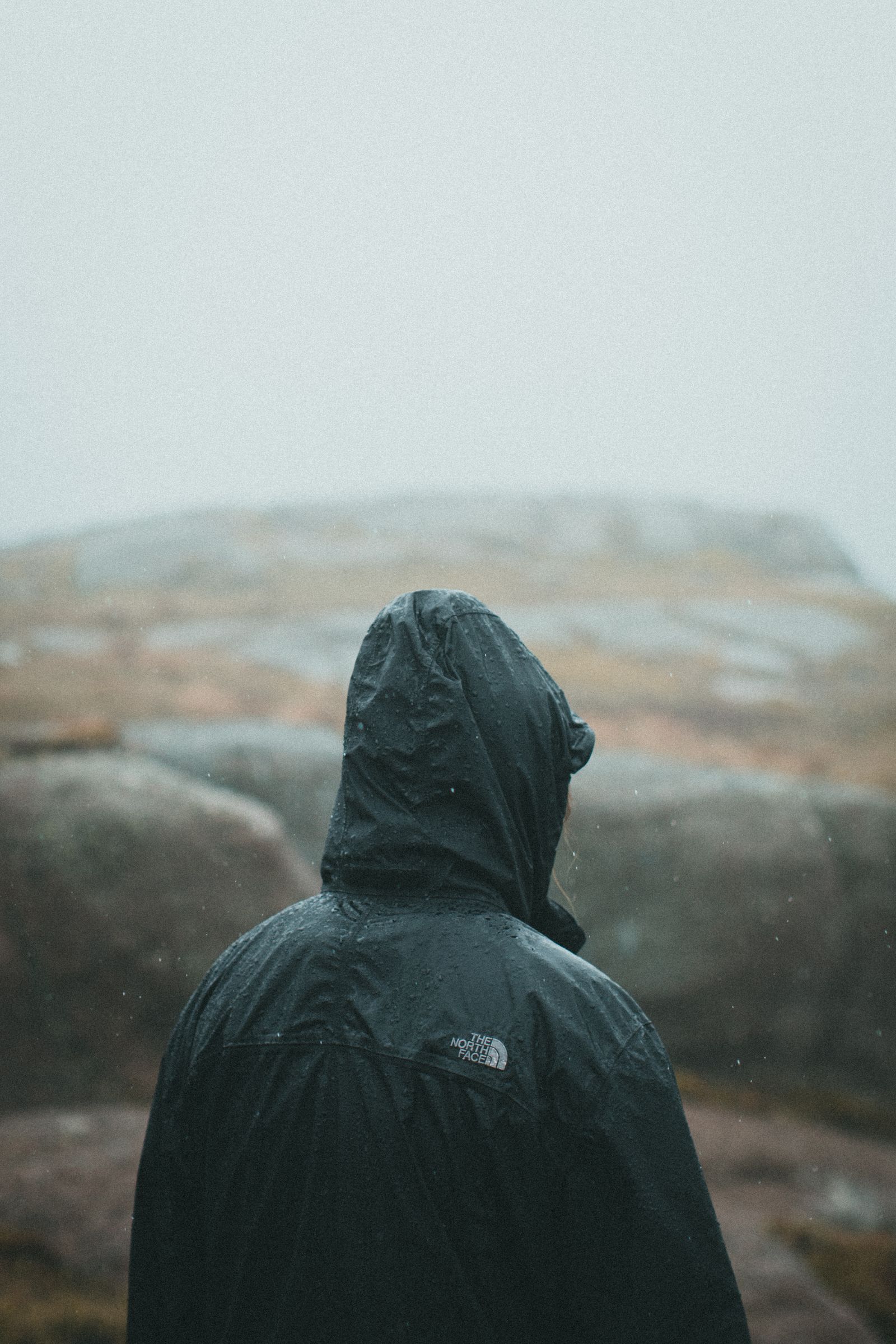
A compact outdoor wardrobe becomes useful when pieces share jobs and solve the conditions you meet most often.
Outdoor clothing can multiply quickly. A jacket appears for one season, trousers for one trip, and soon the cupboard holds many specialized pieces that rarely meet daylight. A smaller wardrobe asks each item to work across several ordinary plans. It will not cover every expedition, but it can handle local walks, weekend camps, travel days, and sudden weather with less expense and less storage.
List the conditions you really face
Look at your usual destinations, temperatures, rainfall, and activity level. A person who walks windy coastal paths needs something different from someone who camps in dry summer heat. Write down the gaps that have caused discomfort, then separate them from imagined future adventures. Specialized conditions may justify renting or borrowing equipment until they become a regular part of your life.

Choose pieces that cooperate
A base top, warm mid layer, weather shell, comfortable trousers, and a spare dry layer can form a flexible core. Test the fit together because sleeves, collars, and waistbands can clash even when each item fits alone. Neutral coordination is practical, but visibility may matter in some settings. Check whether pockets remain reachable under a pack and whether hems work with your footwear.
Maintain before replacing
Clean garments according to their labels, repair small damage early, and restore water repellency only with suitable products and instructions. Store dry clothing with enough space to avoid damaging insulation or coatings. At the end of a season, note what you wore repeatedly. Replace a piece when its function or fit no longer works, not simply because a new version promises a dramatic upgrade.
Make it work in real life
A small wardrobe is not an exercise in deprivation. It is a set of familiar clothes that pack together, move together, and leave fewer decisions between you and the door.