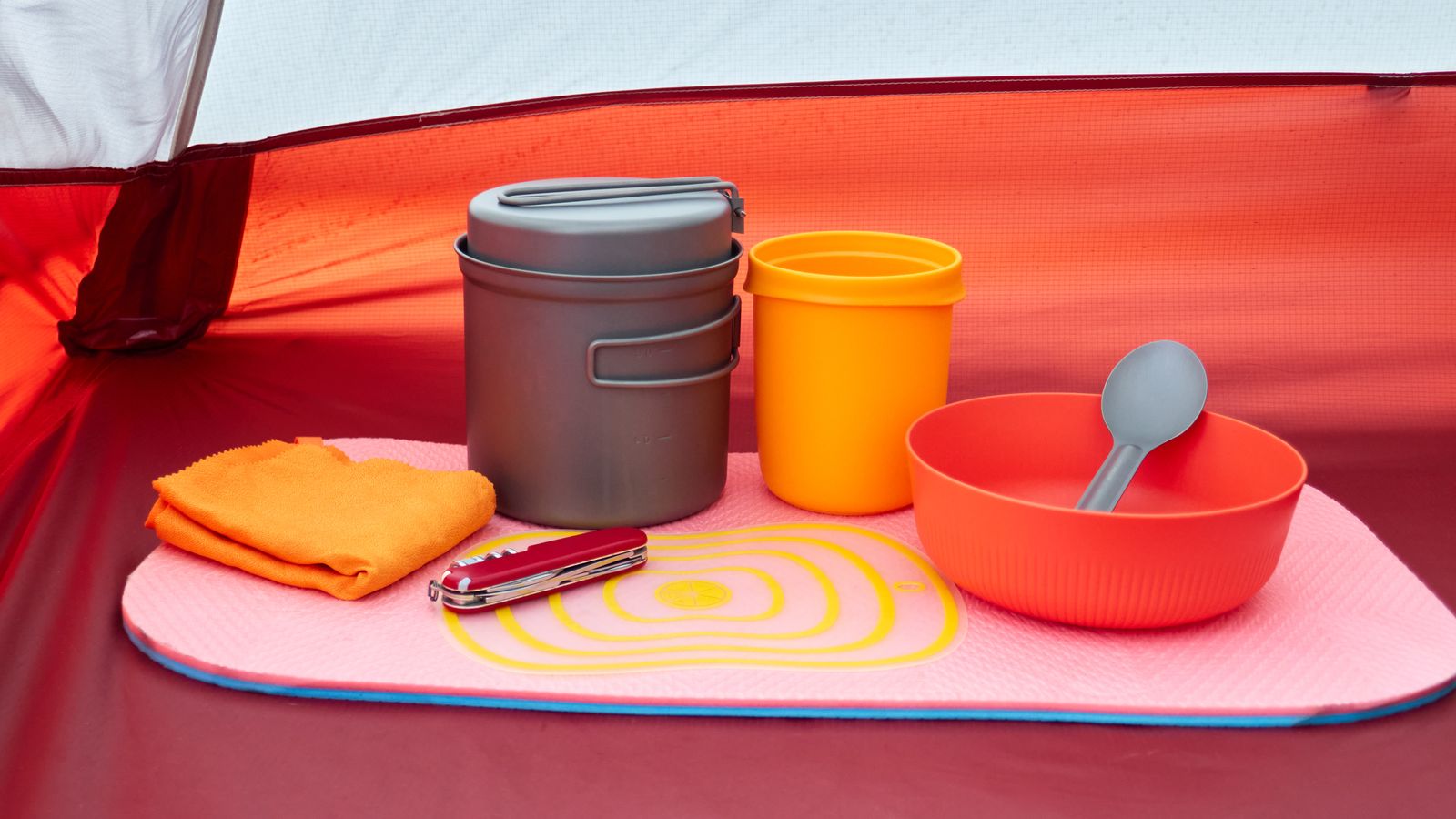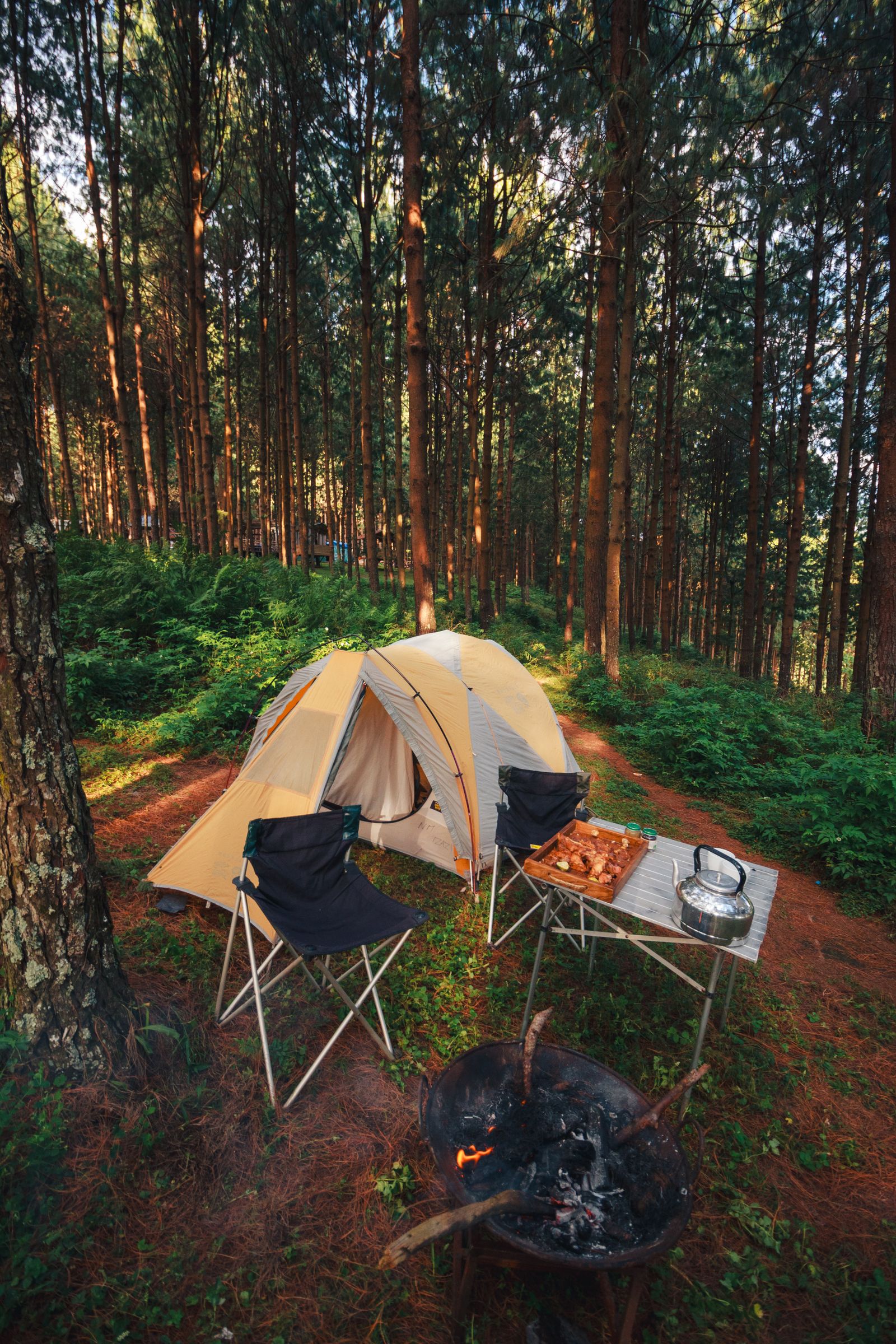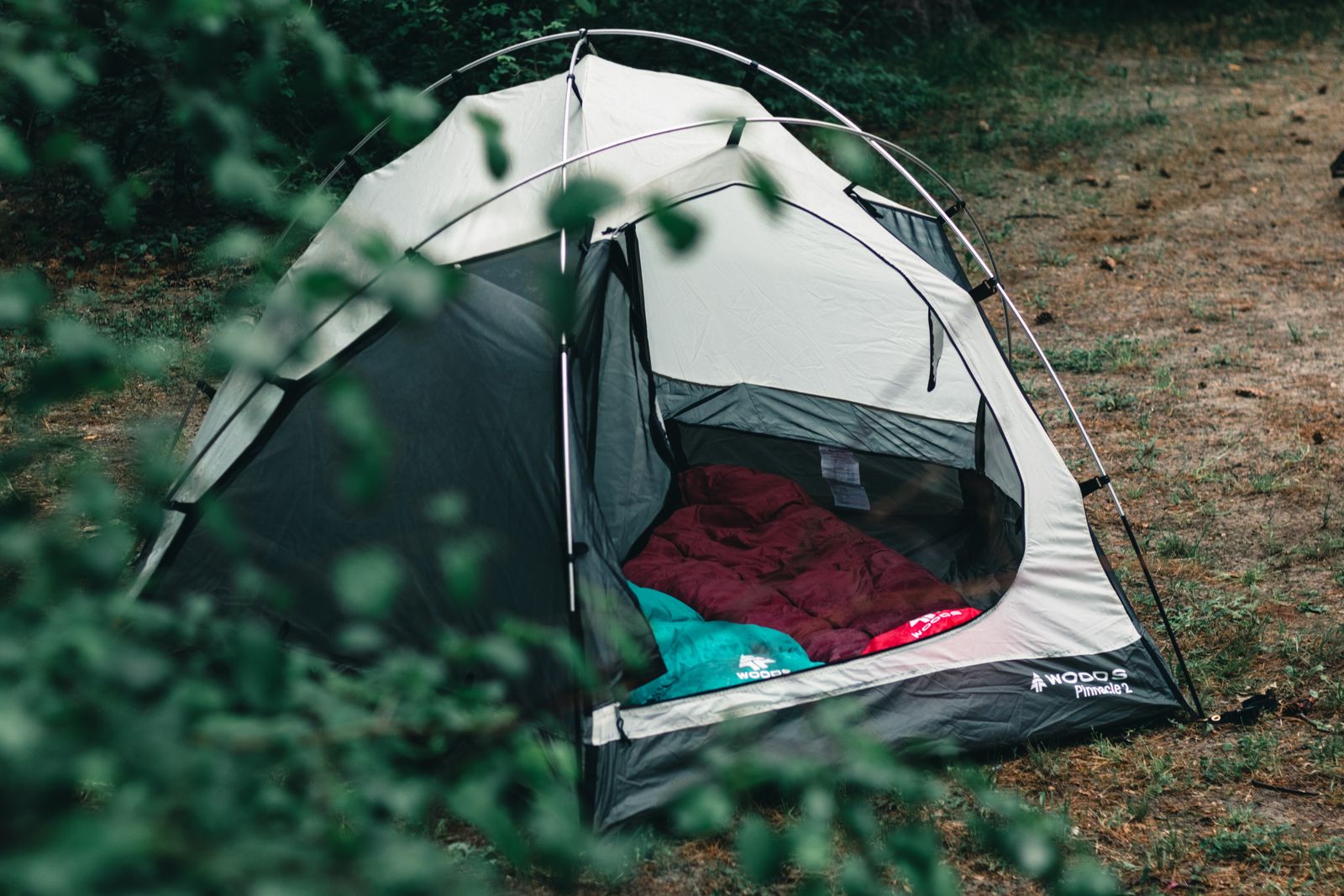
Warm sleep depends on the bag or quilt, the pad, dry clothing, shelter, and the conditions working together.
A sleeping bag gets most of the attention, but the ground can remove heat from below even when the insulation above feels thick. A camping sleep system combines the bag or quilt with a suitable pad, shelter, clothing, and site choice. Temperature ratings are useful only when you understand what they describe and compare them with your own comfort and the forecast.
Read ratings with context
Check the manufacturer’s temperature information, testing standard if provided, user assumptions, and sizing. Comfort varies with metabolism, fatigue, food, moisture, wind, and clothing. Choose a margin appropriate to the trip rather than treating one number as a guarantee. Children and people with health concerns may need additional planning and appropriate professional guidance.

Do not ignore the sleeping pad
The pad cushions the body and provides insulation from the ground. Review its stated insulation value, construction, size, and repair instructions. Inflatable, self-inflating, and foam pads trade comfort, weight, bulk, price, and puncture risk differently. Test inflation and valve operation at home, and carry the recommended repair method when the trip requires it.
Keep the system dry and practiced
Protect sleep gear from rain, spills, and ground moisture with suitable storage. Change out of damp clothing before bed when conditions and safety allow. Ventilate the shelter as directed to manage condensation, and never use stoves or heaters in a tent unless the shelter and appliance are specifically designed and approved for that use. Practice arranging the pad and bag in the tent before departure.
Make it work in real life
A good sleep system is a chain of ordinary parts that agree with one another. Test the chain near home, respect the forecast, and keep a safer alternative available when conditions exceed the equipment.