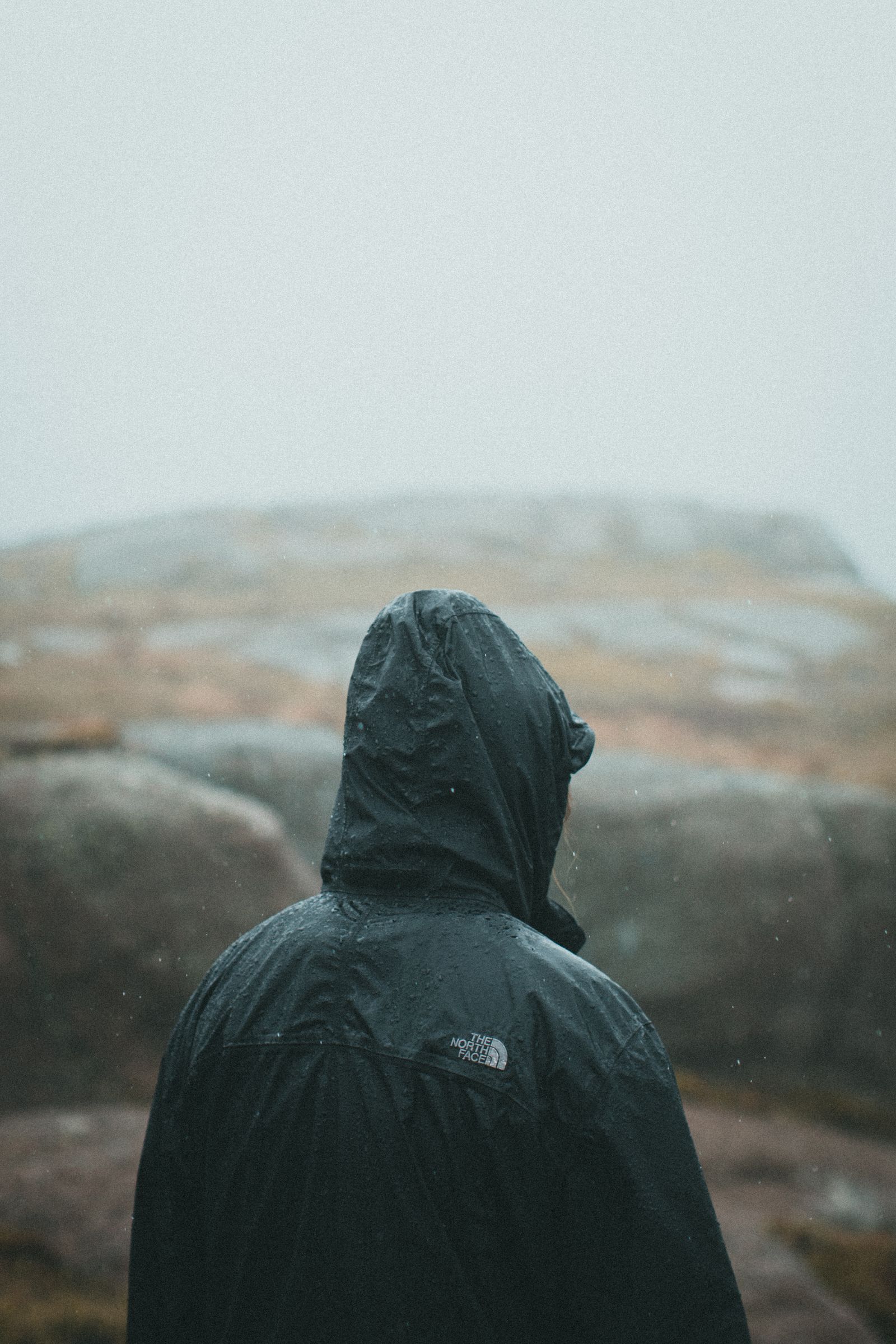
Useful layers let you respond to effort, wind, and rain without rebuilding your outfit at every stop.
A cool morning can turn warm on the climb and sharp again when you stop. One heavy garment asks you to tolerate those swings. A layering system gives you smaller adjustments. The idea is simple: manage moisture near the skin, add warmth when needed, and carry protection from wind or rain. The exact pieces depend on the weather, activity, and how your body feels, not on a universal packing list.
Begin with the pace of the day
A brisk walk produces more heat than a slow campsite morning. Choose the base layer around that effort and the expected temperature. Many people prefer a fabric that moves moisture and dries reasonably quickly, but comfort and skin sensitivity matter. Avoid assuming that thicker always means better. Check the weather forecast, route conditions, and any safety advice before leaving.
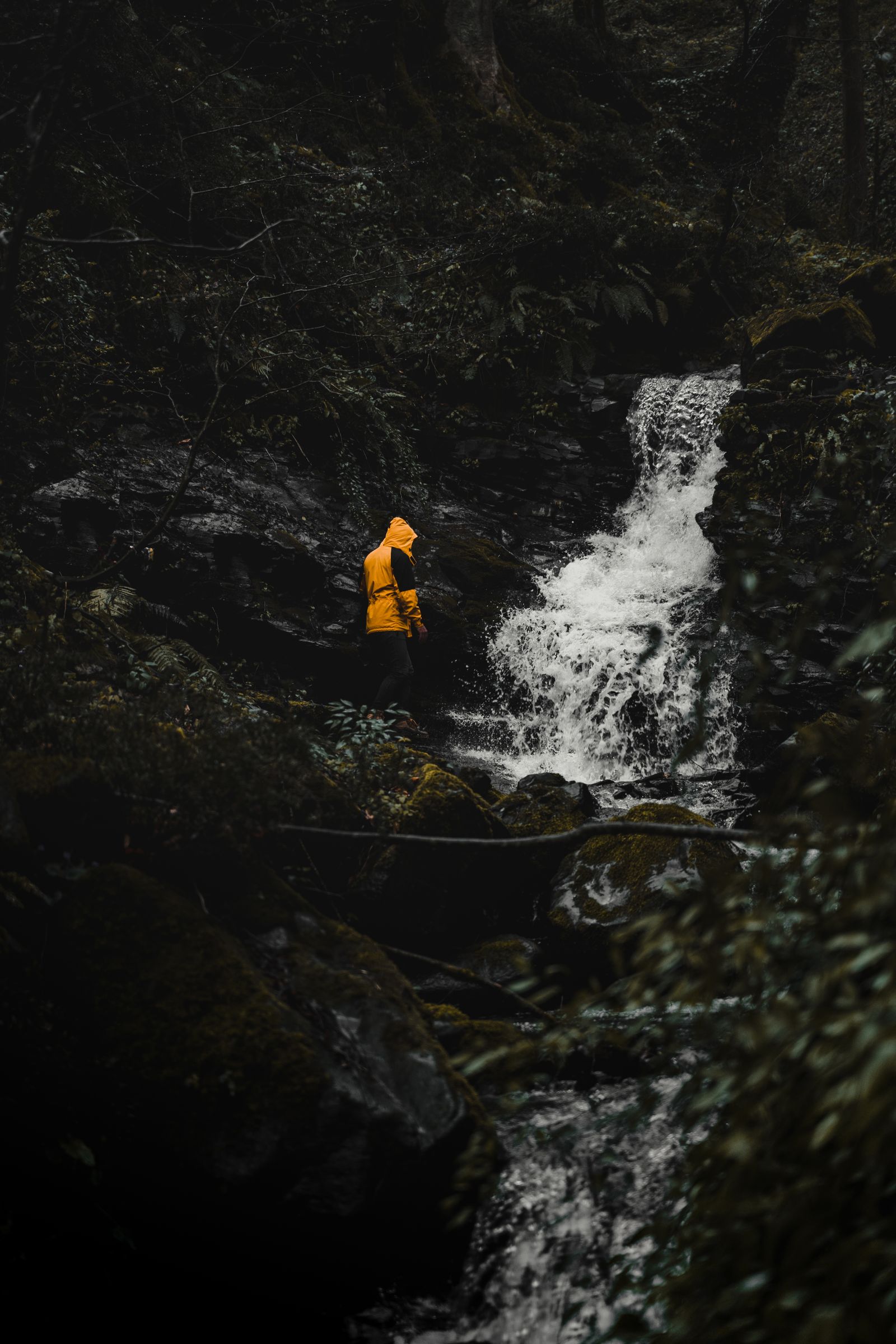
Add warmth you can control
A mid layer should fit over the base without restricting shoulders or bunching at the waist. Fleece, wool blends, and insulated pieces behave differently when damp, compressed, or exposed to wind, so read the care and performance information. A full zipper offers quick ventilation. For stop-and-start days, keep the warm layer near the top of the bag rather than burying it below lunch.
Treat the shell as working equipment
A shell needs to fit over the other layers and move with you. Raise your arms, turn your head, and test the hood with any hat you plan to wear. Ventilation can matter as much as waterproofing during active use. Follow cleaning and reproofing directions because dirt and incorrect washing may affect performance. Pack the shell whenever the forecast or terrain makes exposure plausible.
Make it work in real life
Try the complete system near home before trusting it on a long day. When each layer has a clear job and remains easy to reach, changing weather becomes a manageable adjustment rather than a wardrobe emergency.