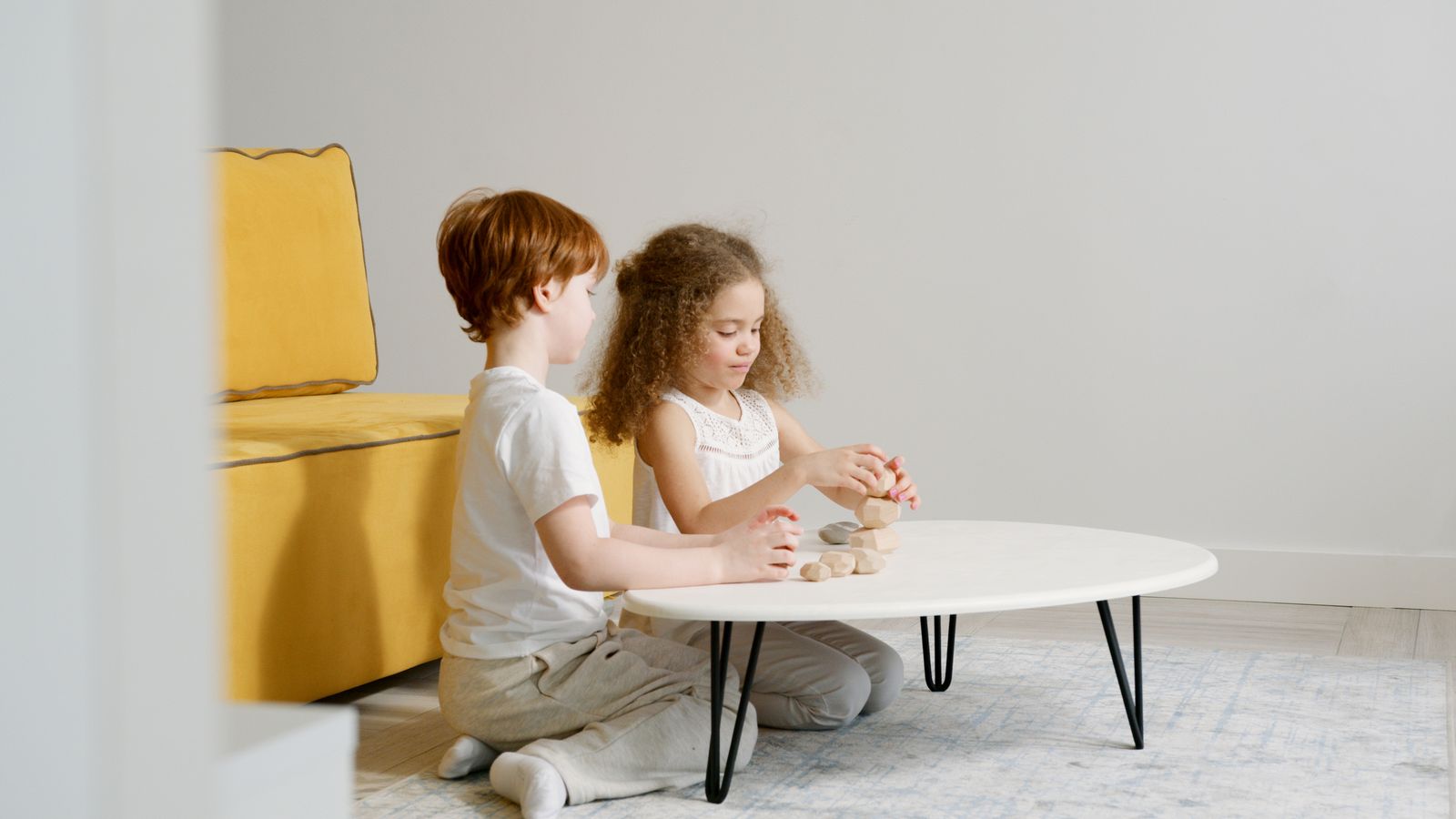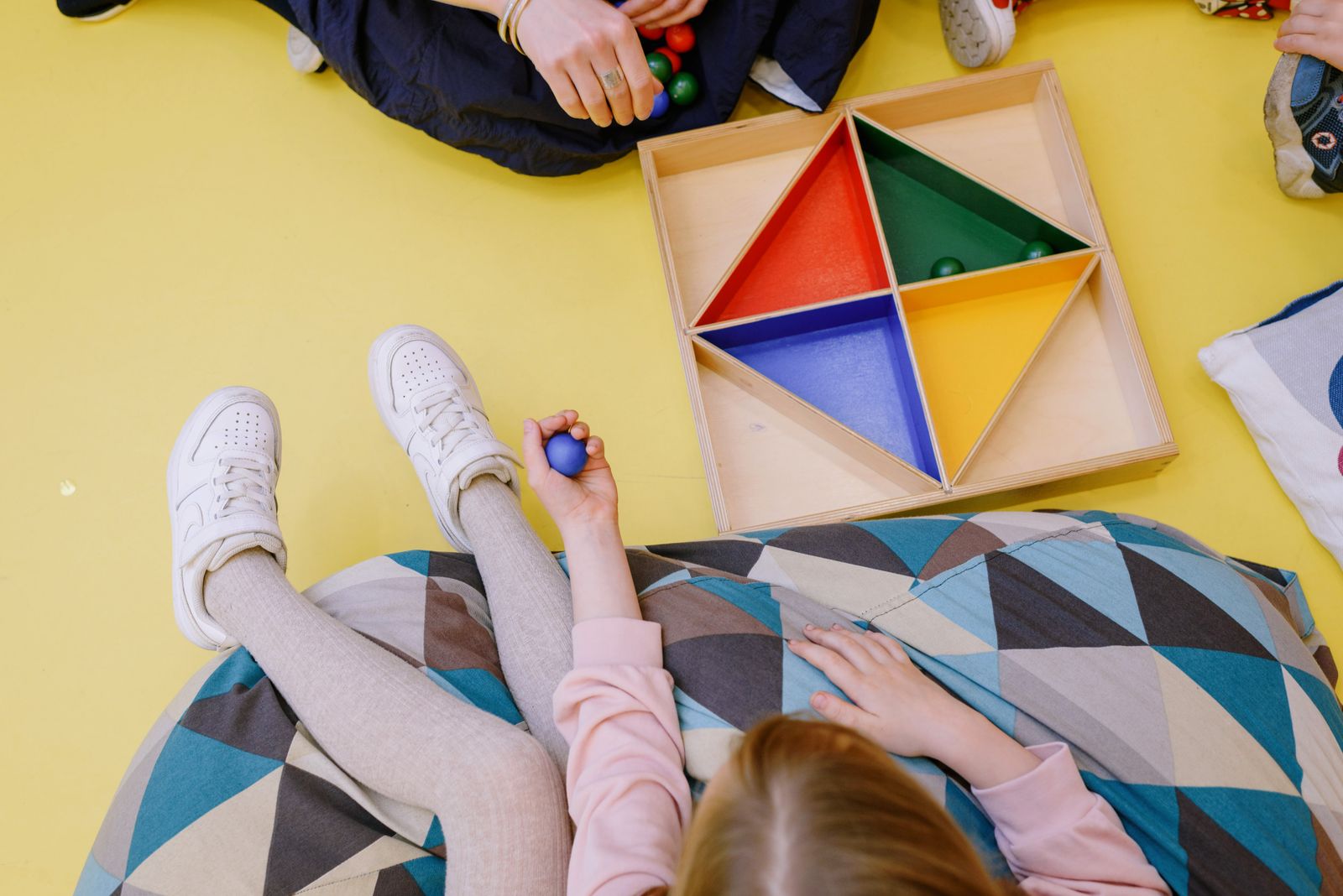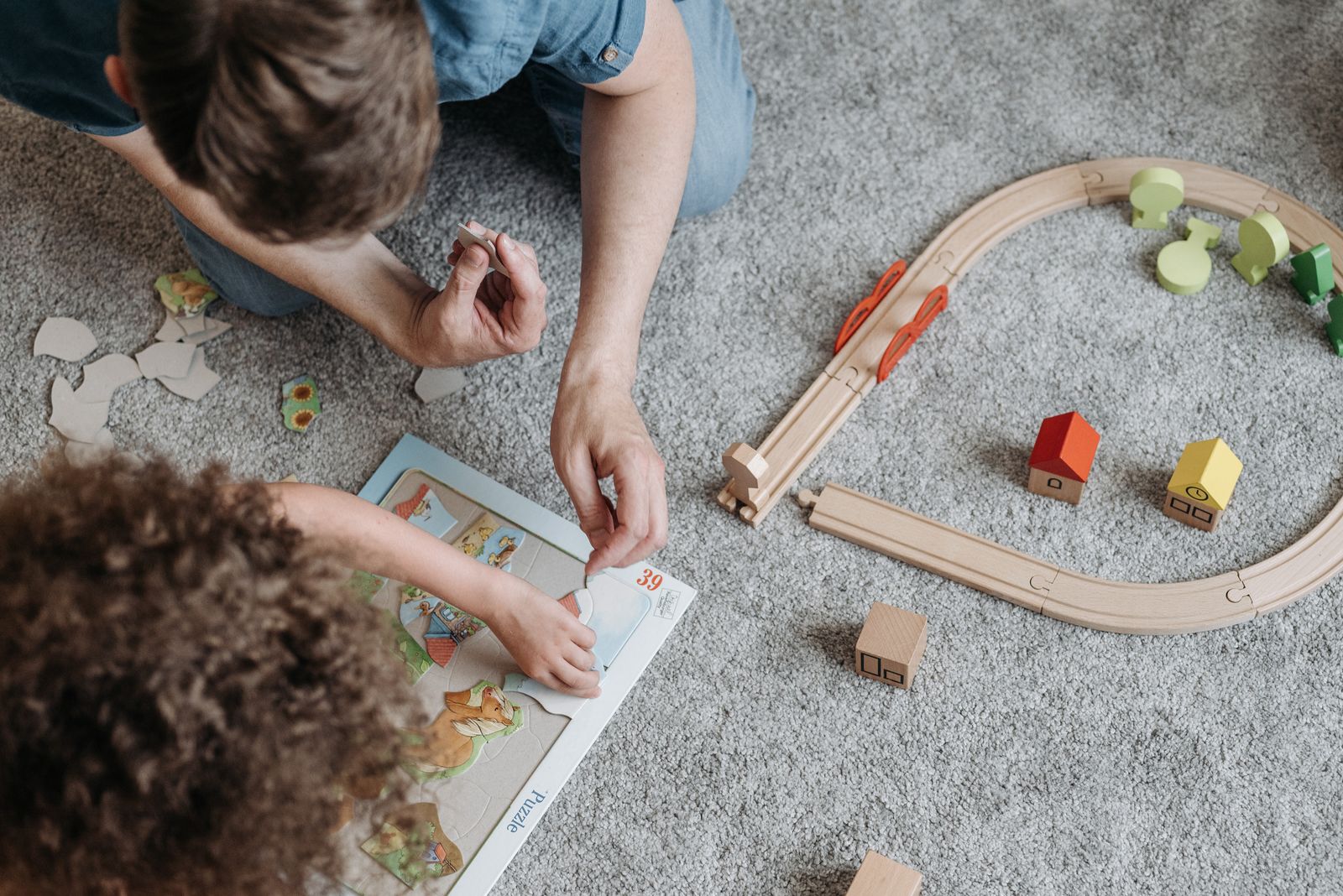
A compact travel kit should be easy to open, quiet enough for the setting, and simple to repack.
Travel changes the way a toy needs to work. At home, a missing piece may be under the sofa. On a train or in a waiting room, it may be gone for good. The best travel kit uses a few familiar, contained activities that fit the child’s age, the length of the trip, and the space available. It supports a difficult stretch of time without making the adult carry a miniature playroom.
Plan for moments, not hours
Think about where boredom usually appears: the gate, the restaurant table, the final part of a drive, or the quiet minutes before sleep. Pack one activity for each likely moment rather than promising constant entertainment. A small drawing pad, reusable stickers, a compact puzzle, or a few figures can cover different kinds of play. Check venue and transport rules, and keep age and small-part guidance in mind.
Use containers that control pieces
Choose zip pouches or boxes that open flat and are easy to count. Limit each activity to the pieces it truly needs. A light tray or cloth can create a visible boundary on a table and make dropped items easier to spot. Avoid toys with loud sounds in shared spaces unless headphones and volume controls are appropriate. Put the most independent activity where the child can reach it without unpacking the whole bag.
Keep one surprise in reserve
Familiar toys help a child settle, while one small new activity can refresh attention later. Do not reveal every option at the beginning. Rotate through the kit and put one item away before opening the next. After the trip, check pieces, clean items according to their instructions, and note what actually worked. The next kit can become lighter because it is built from evidence, not guesswork.
Make it work in real life
The right travel kit does not eliminate every restless minute. It gives the family a few reliable ways to reset, then closes neatly when the journey moves on.