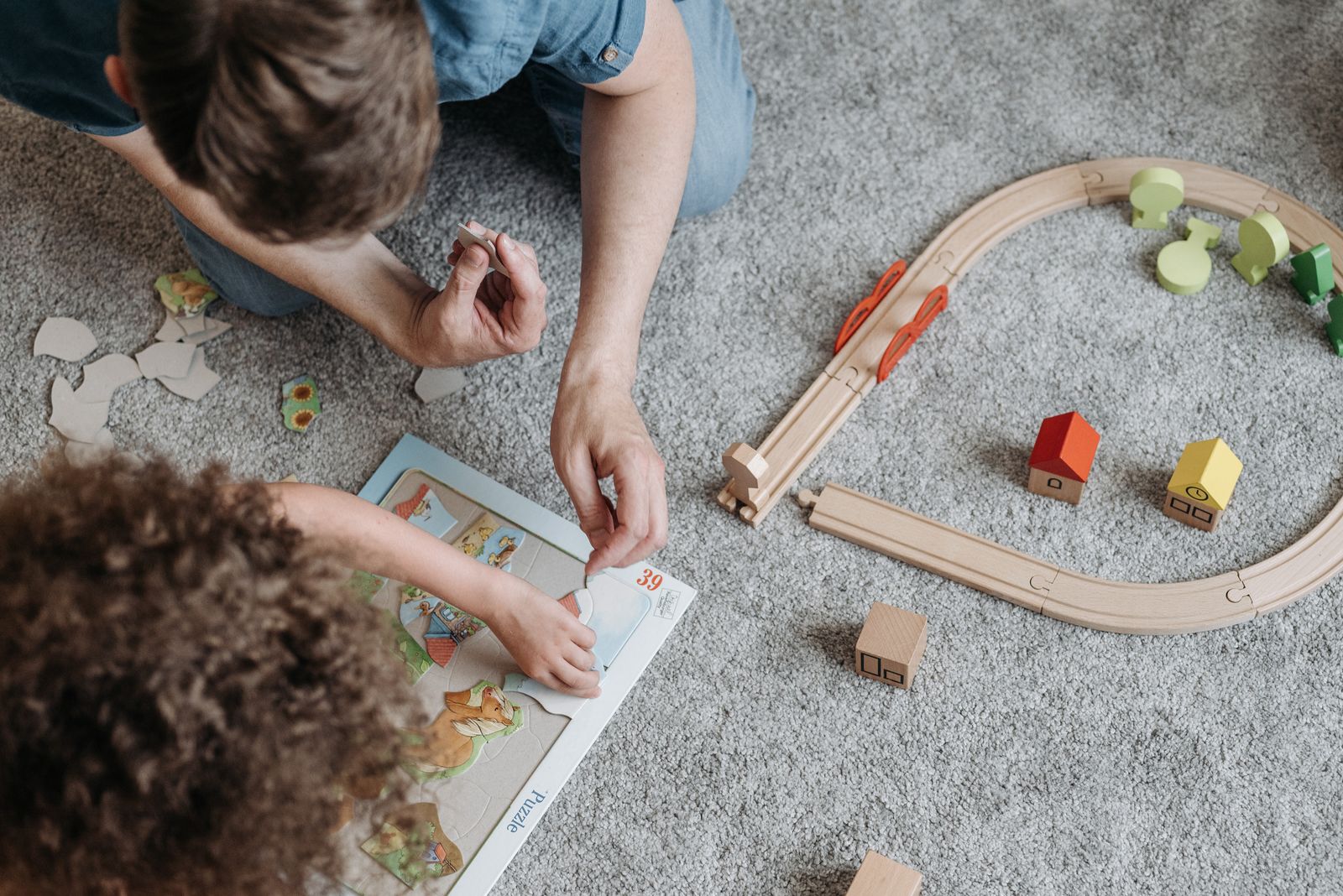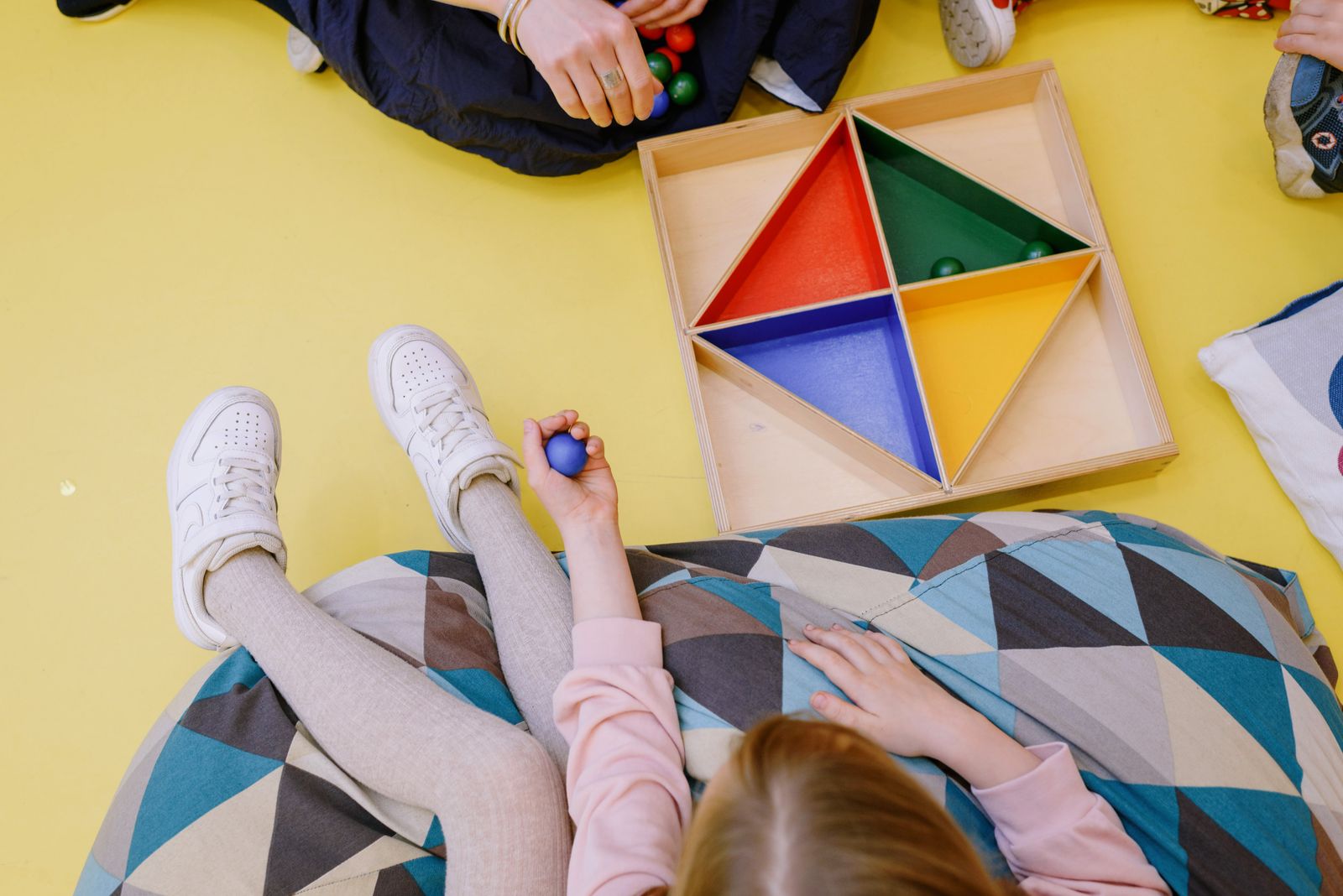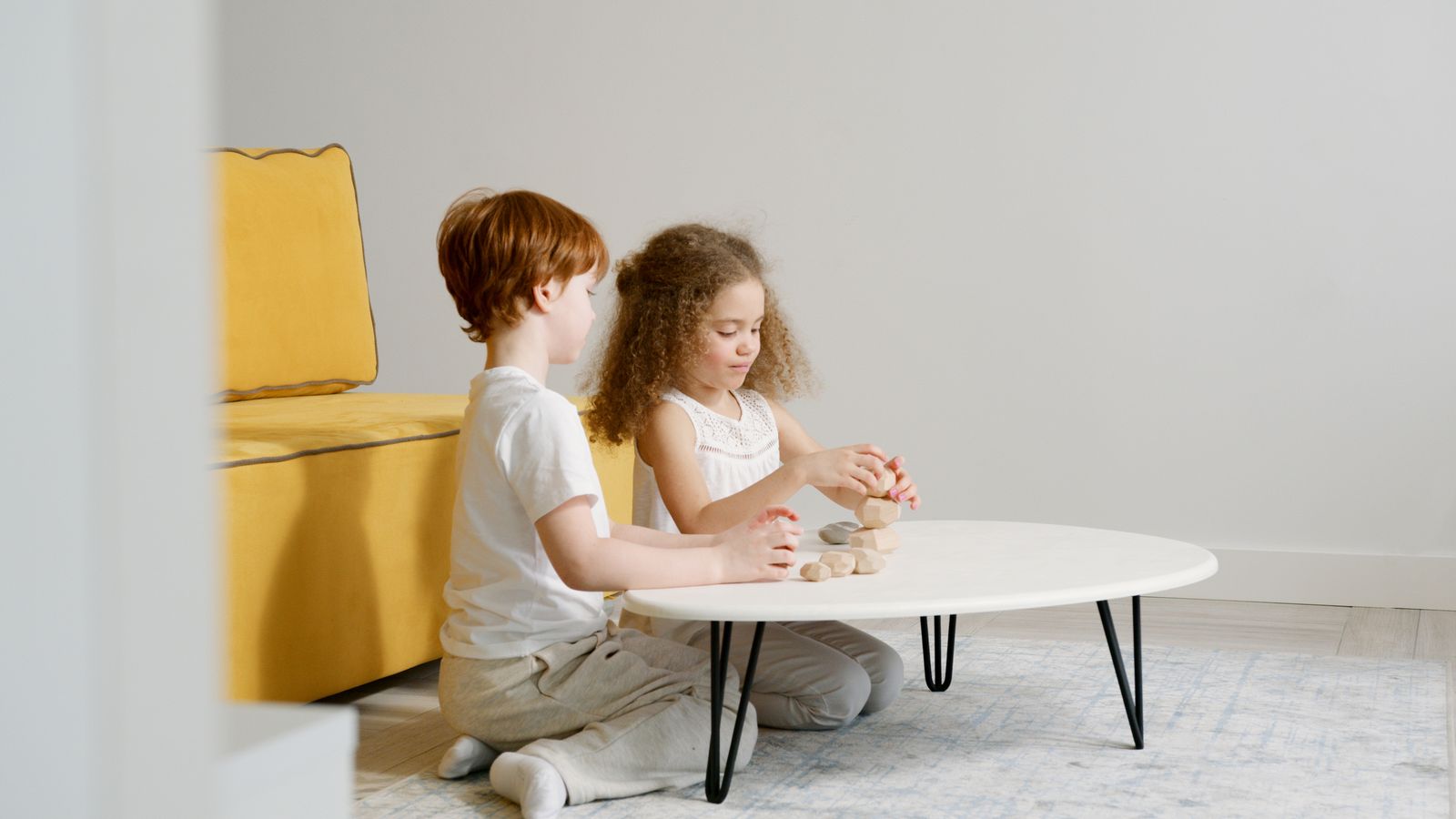
A toy rotation works when it makes play easier, not when it turns the house into a storage project.
A crowded play area can hide good toys in plain sight. Pieces overlap, boxes lose their lids, and choosing a game becomes harder than starting one. A rotation reduces the number of visible options while keeping the rest available for later. The aim is not a showroom. It is a room where a child can spot an idea, begin playing, and help restore the space when the game ends.
Start with broad play types
Gather toys by what they allow: building, pretend play, puzzles, art, movement, and comfort items. Keep a small mix visible so the room supports different moods. A child who wants quiet concentration needs a different option from one who needs to move. Favorites and comfort objects do not have to disappear merely to make the rotation look balanced. The system should respect real attachment.
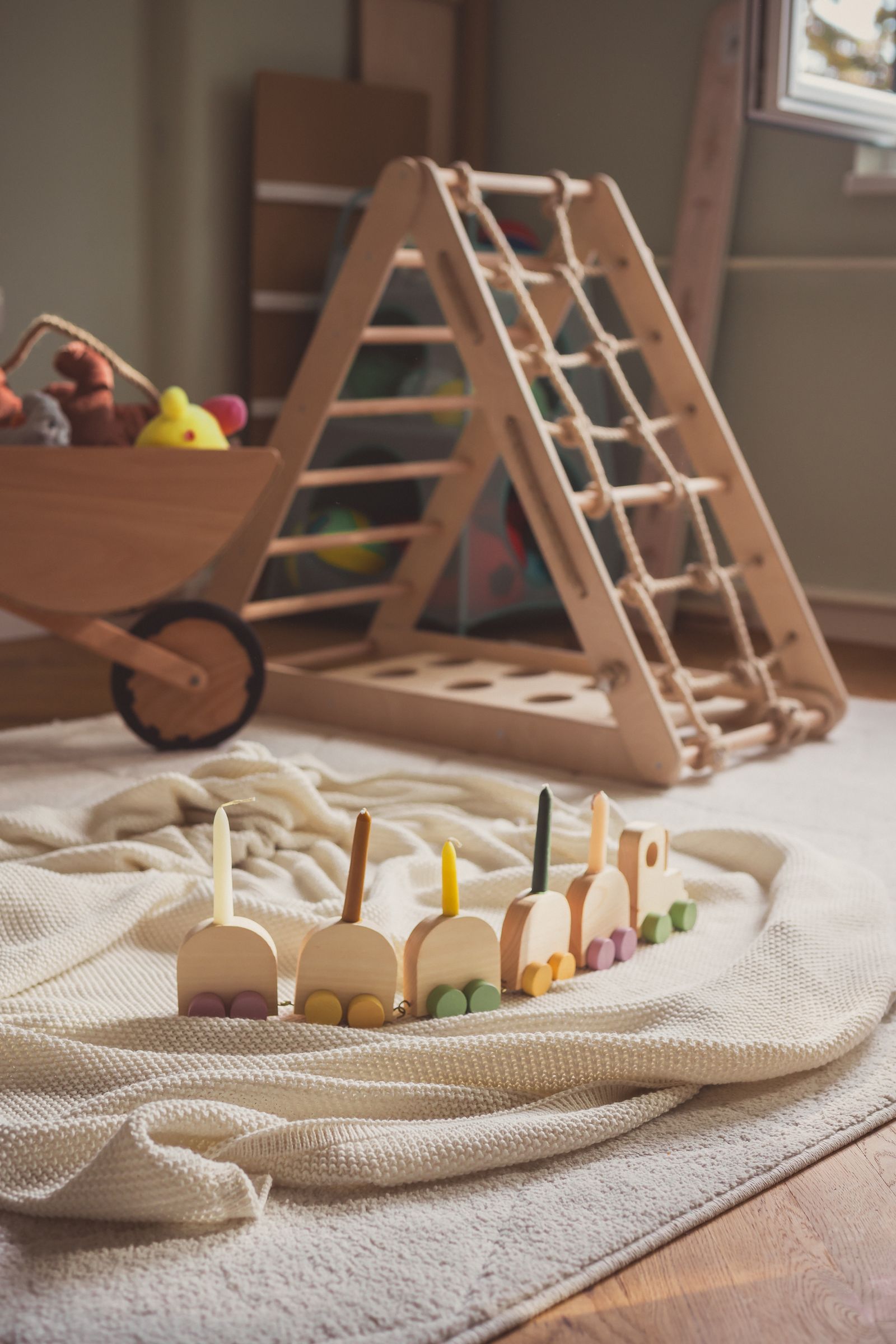
Store the pause, not a mystery
Place off-rotation toys in clear or clearly labeled containers out of the main play zone. Keep complete sets together and remove broken items according to local disposal guidance. Photograph complicated sets before packing if that helps with reassembly. Store toys where children cannot climb to reach them, and follow the maker’s guidance for batteries, magnets, cords, and small components.
Rotate when attention changes
There is no perfect weekly schedule. Change a few items when play becomes repetitive or when a new interest appears. Swapping half the shelf is often less disruptive than replacing everything. Bring back an older toy beside something currently popular; the combination may create a new game. Notice what gets used and what remains untouched after several rotations, then donate or pass on suitable items rather than storing them indefinitely.
Make it work in real life
Leave enough open floor or table space for play to spread out. A calm rotation is successful when the room asks fewer questions and the toys that remain visible get a fair chance to be enjoyed.